Ein Artikel im Warenkorb









Behind the seams: How to recognize a high-quality shirt
Recognizing a shirt of truly high quality comes down to seeing – and feeling – the details. It is in the small, sometimes almost invisible elements that the craftsmanship reveals itself – from the fiber length of the fabric to the precision of the stitches, button placements, and the construction of the collar. Here, we guide you through the key characteristics that distinguish a well-made shirt from mass production.
foto: patrik hagborg
Text: ebba thanner
video: leo prim
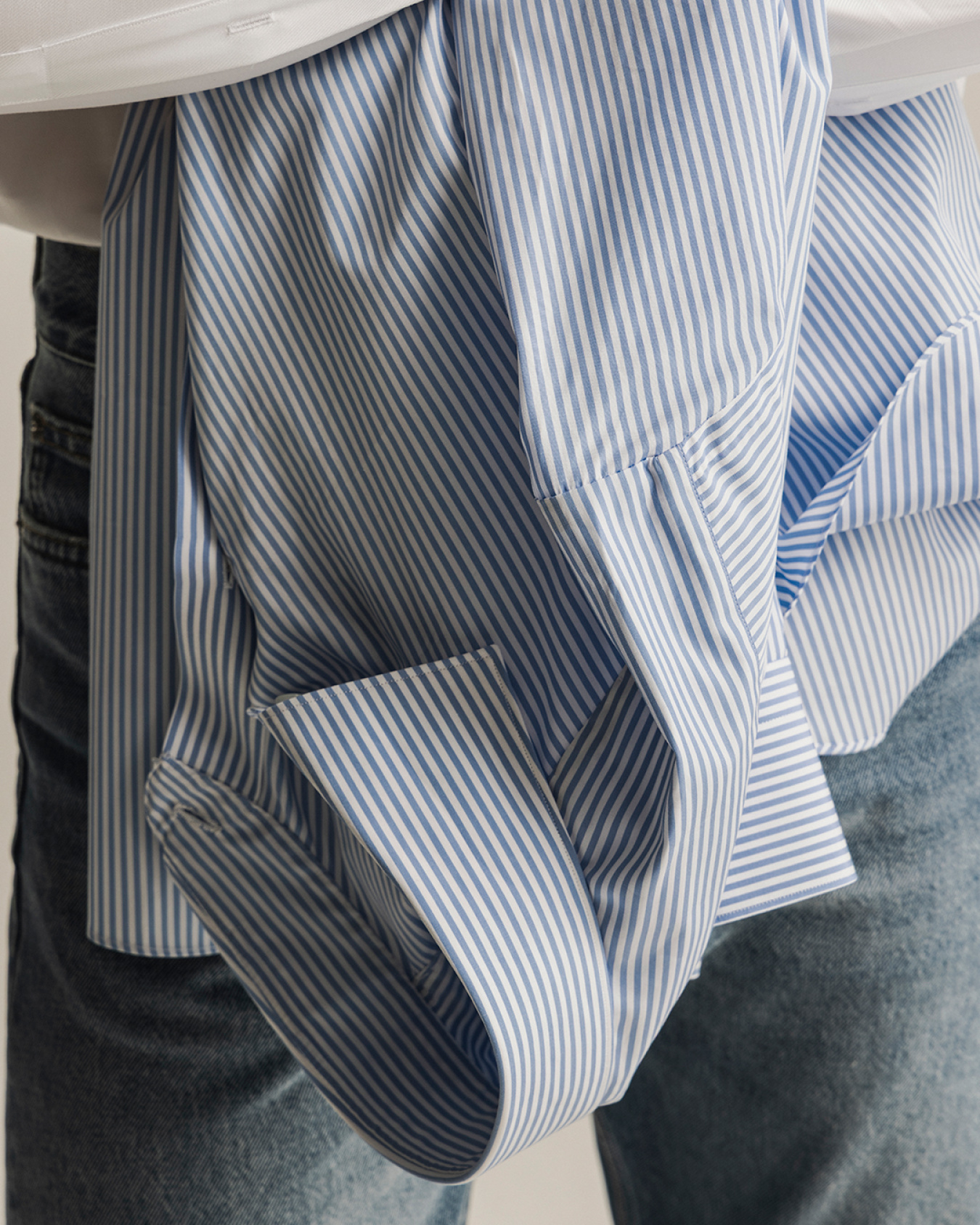
Shirts may seem simple at first glance – a fabric, a collar in various shapes, buttons at the front, and a classic cuff. But behind a high-quality shirt lies significantly more. It is built on thoughtful choices: a fabric woven from fine and high-quality yarn, a collar with a stable construction, and seams that are carefully placed and sewn with precision. Every detail matters: from how the buttons are attached to the fit construction and how patterns align around seams and details. All of this plays a crucial role in how the shirt ages, feels, and holds up over time.
In the Behind the Seams series, we show you how to recognize high-quality garments. By understanding the details, it becomes easier to distinguish well-made shirts from mass-produced ones – and to choose shirts that maintain their structure and elegance year after year.
1. Double-twisted yarn
Behind a truly great shirt, there is almost always a carefully crafted fabric, often woven from long-staple cotton and in many cases using double-twisted yarn. Longer fibers create a stronger and more even yarn, and when two threads are twisted together, both durability and the soft, natural luster that quality shirt fabrics are known for increase. That subtle sheen you see when the light falls across the fabric is therefore rarely a coincidence, but rather the result of both fiber quality and a weave with high density and precision. What is common among quality-woven fabrics – whether it's poplin, twill, oxford, or pinpoint – is that they feel tight, supple, and free from imperfections.
Example: Many quality shirts are woven from double-twisted, extra-long staple cotton to combine strength, softness, and subtle sheen.
2. The Collar's Construction and Interlining
The collar is the most defining feature of a shirt and a clear indicator of quality. A well-made collar is based on carefully selected interlining – either sewn or advanced glued – that provides stability without feeling stiff, and retains its shape wash after wash. A good interlining allows the collar to stand naturally and roll softly, while simpler constructions tend to bubble, lose their shape, or collapse.
In more formal or construction-demanding collar models, removable collar stays are often included, which help the points lay flat against the chest. They contribute to the collar maintaining its shape and prevent the points from fluttering or pointing upwards. In today's ready-to-wear, collar stays are not standard on all shirts, but are most common on more dressed-up shirts and at higher quality levels.
How to recognize it: The collar should feel firm yet supple, without bubbles or irregularities. When you press it lightly, it should spring back. Also, check if the collar has removable collar stays – a quality sign for more formal shirts.
3. Seams and Stitches – French Seam vs. Overlock
The stitching quickly reveals the quality of a shirt. In finer shirts, French side seams are often used, where the seam is folded in and sewn twice. This provides a smooth interior and a strong construction that lasts significantly longer than simpler overlock seams, where the fabric edges are finished with an overlock machine. French seams are more time-consuming to produce – which also makes them a clear indicator of quality.
How to recognize it: Turn the shirt inside out and examine the side seams. If you see a clean, double-folded seam without visible raw edges, it is a French seam – a sure sign of high quality.
4. Stitch Density
Dense and even stitches are a clear sign of care in the manufacturing process. In quality shirts, the seams are sewn with more and finer stitches per centimeter, resulting in a stronger seam that maintains its shape better over time. Traditionally, it was said that there were about seven to nine stitches per centimeter on a well-made shirt, but in today’s fashion, this varies depending on the fabric and manufacturer.
Single needle sewing is another detail to pay attention to. Here, a straight chain or straight stitch is sewn with a single needle, even when the seam runs double. The result is a clean, flat, and more durable seam, often associated with high quality.
How to recognize it: Look at side seams and hems. The denser, straighter, and more consistent the stitches – the higher the quality.
5. Button Attachments
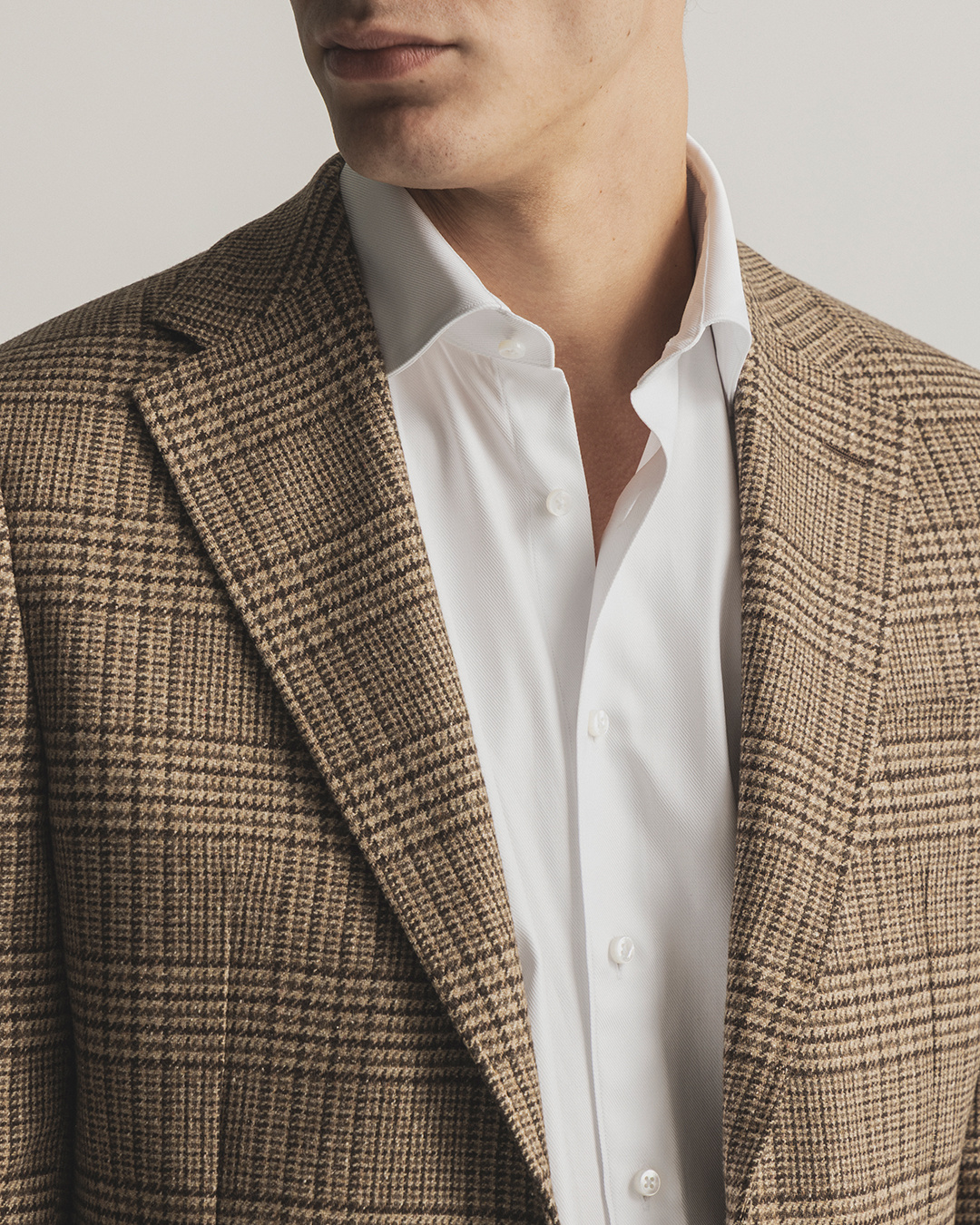
Take a closer look at how the buttons are attached. On well-made shirts, they are often sewn with a three-point stitch, also known as “chicken foot,” where the thread is distributed in three directions. This requires more time and precision than a straight stitch and provides a stronger, more stable fastening. On some premium shirts, the button attachment is even hand-sewn – a sign of solid craftsmanship and a construction that lasts long under daily use.
How to recognize it: Lift the button and examine the direction of the thread. If you see three symmetrical stitches radiating from the center, it is a three-point stitch – a clear indicator of quality.
6. Mother-of-pearl buttons
Genuine mother-of-pearl buttons are a clear sign of quality. Mother-of-pearl is a natural material with a unique, subtle luster and a cool feel against the skin – unlike plastic buttons, which often feel warmer and have a duller appearance. Furthermore, mother-of-pearl is harder and more durable than plastic, which means the buttons maintain their shine and are less likely to crack.
Tip! A simple way to distinguish them is to hold the button against your cheek or the back of your hand. Genuine mother-of-pearl feels cool against the skin and heavy compared to plastic buttons.
7. Pattern Matching
On striped, checkered, or patterned shirts, pattern matching is one of the most revealing details to assess quality. When lines and squares meet perfectly over the seams – from shoulder to sleeve, button placket, chest pocket, cuff, and collar – it requires time, precision, and conscious cutting of the fabric. Each millimeter is adjusted separately, making exact pattern matching a rarity in simpler production.
When the pattern does not align, the lines break distinctly at the seams, and the overall impression becomes more chaotic even if the fabric itself is fine. Conversely, on a well-made shirt, correct pattern matching creates a harmonious expression that clearly reflects care and quality.
8. Back Pleats, Split Yoke, and Darts
Back pleats, a split yoke, and darts are details that are often mistaken for signs of quality, but in the world of ready-to-wear, they primarily relate to fit. The split yoke – that is, a vertical center seam through the yoke – comes from traditional shirt tailoring and is used to compensate for uneven shoulder heights. Back pleats, such as box pleats or side pleats, provide extra ease of movement across the back, while darts shape the waist and create a more tailored silhouette. In ready-to-wear, these details are primarily ways to influence fit and expression, rather than indicators of higher quality in themselves.
Selected Shirts
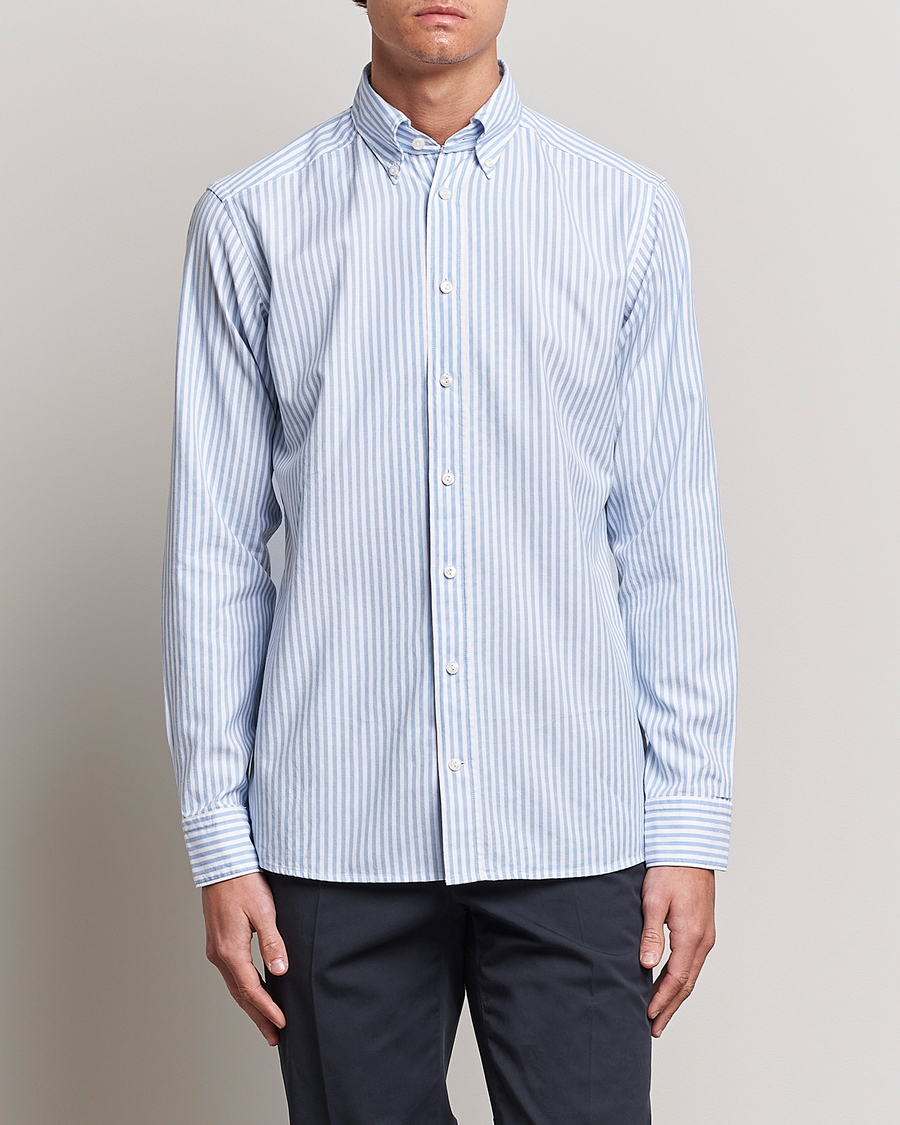
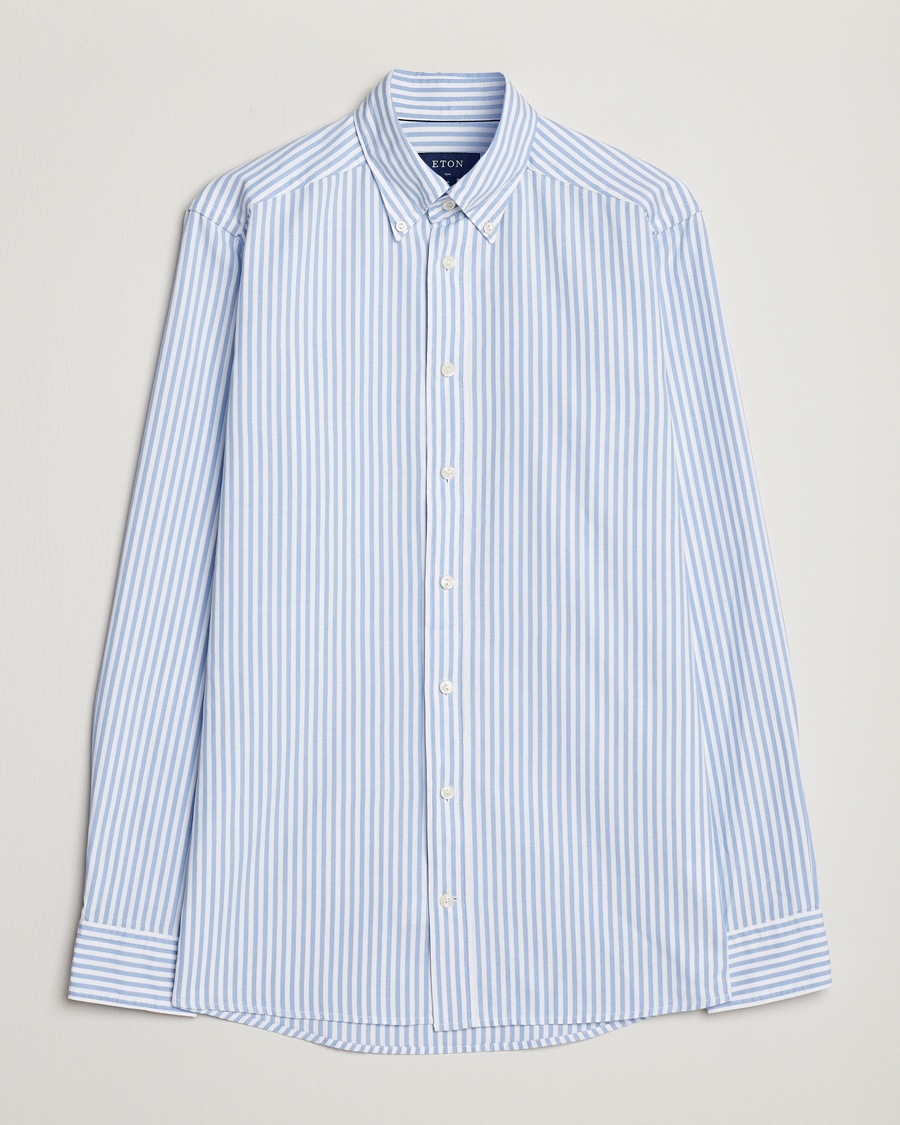
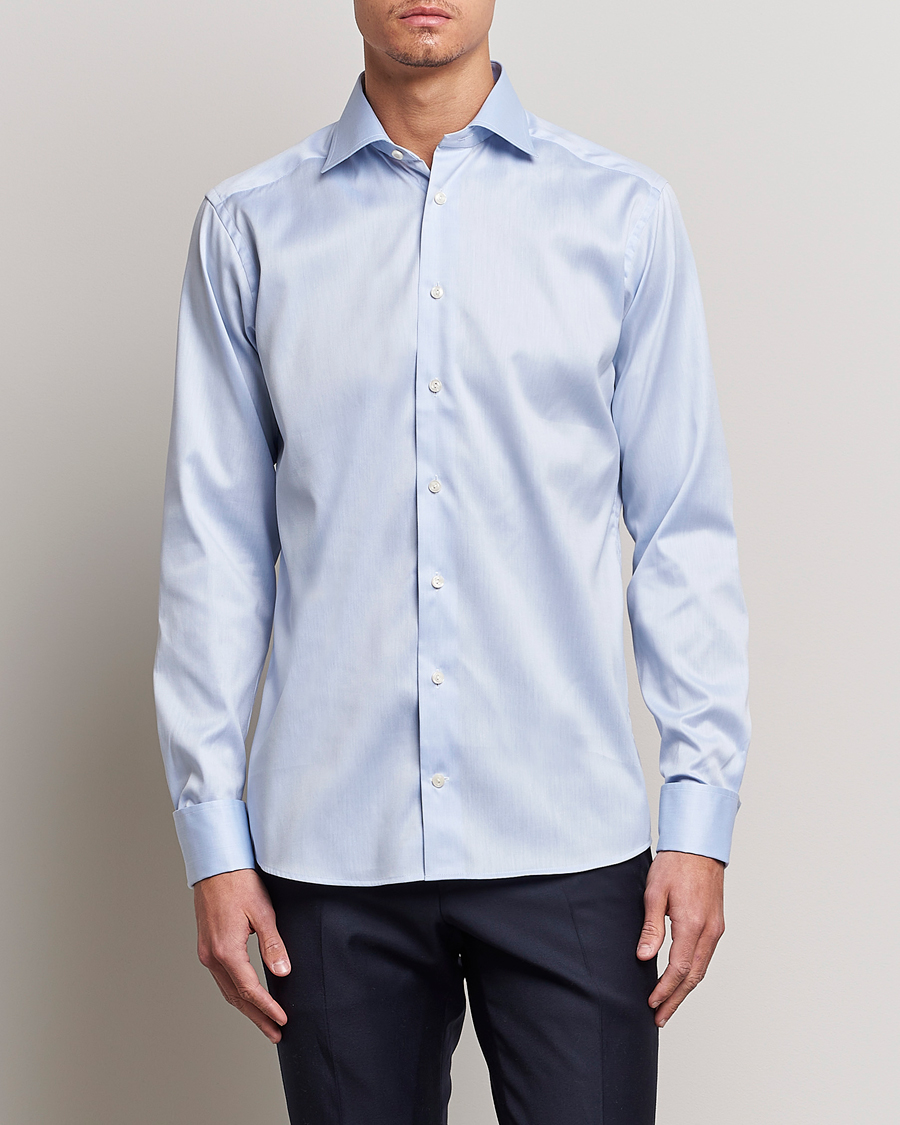
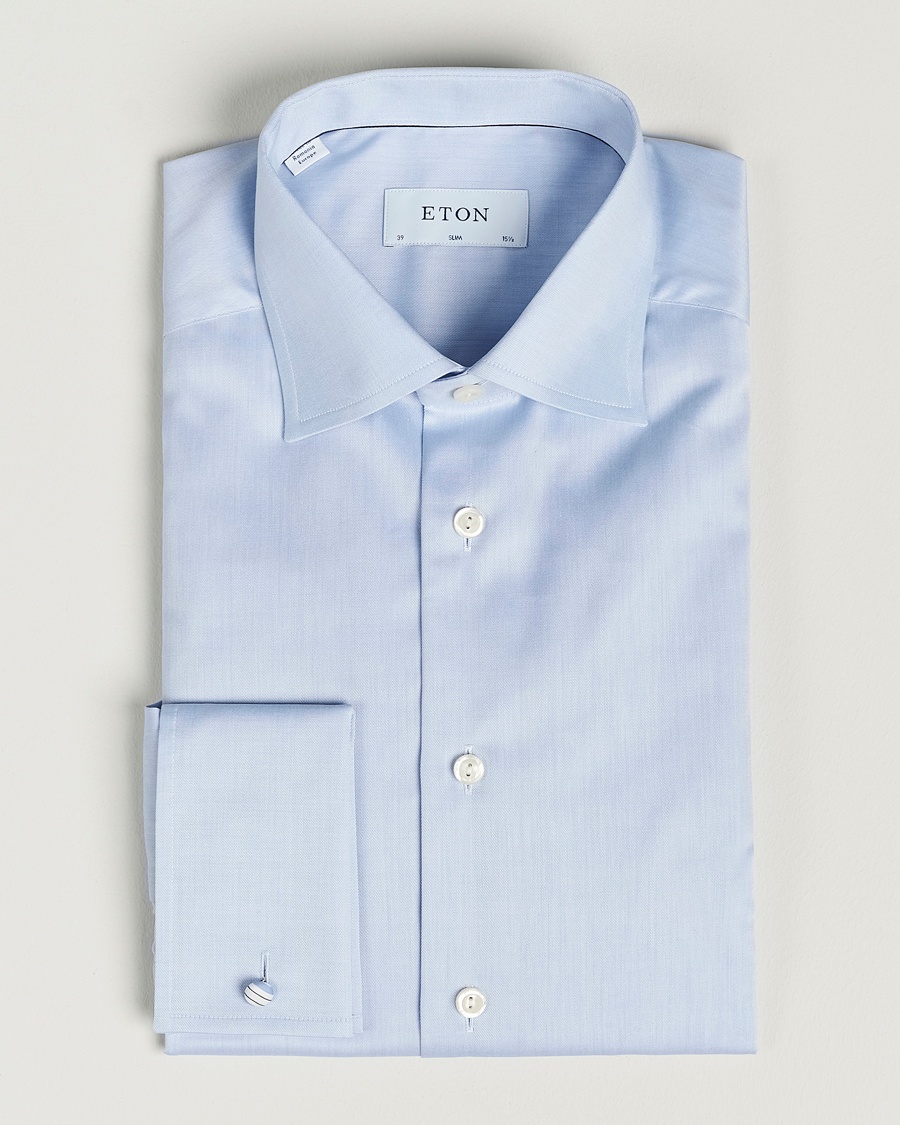
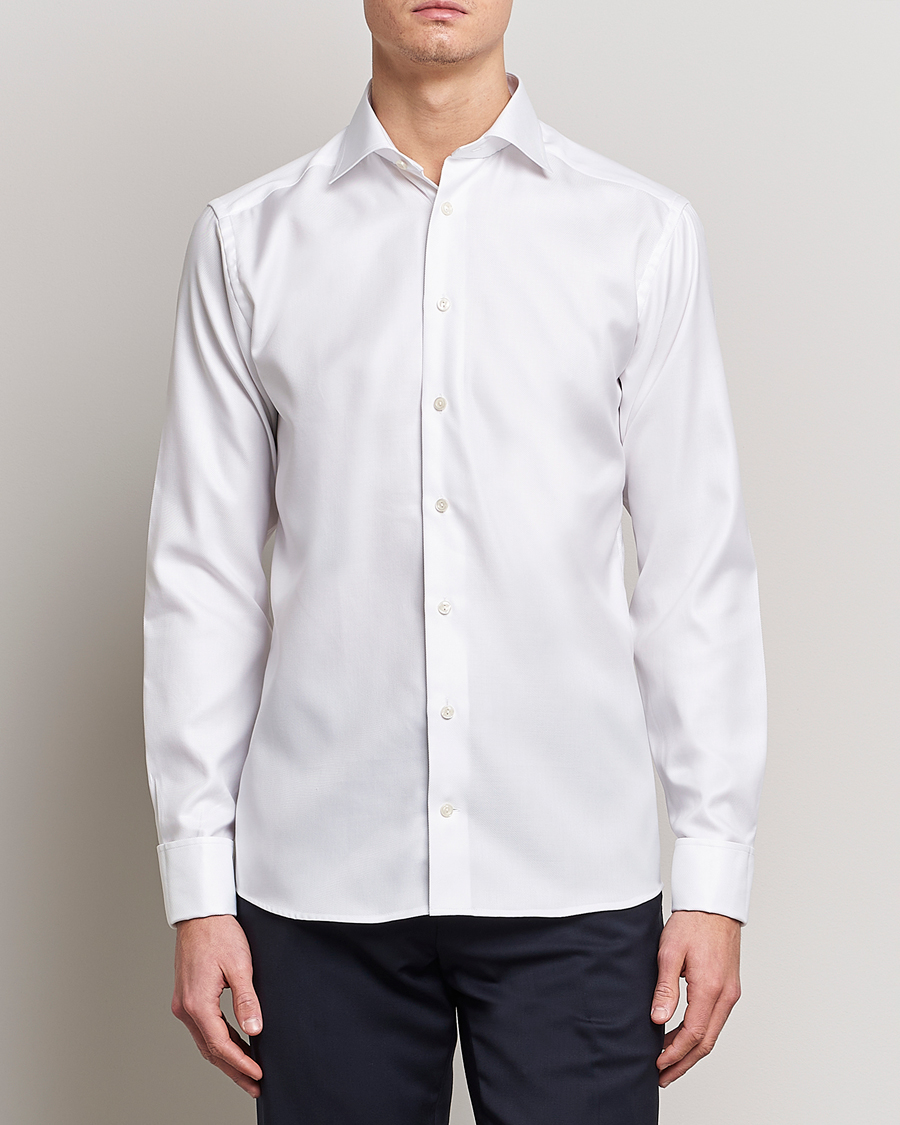
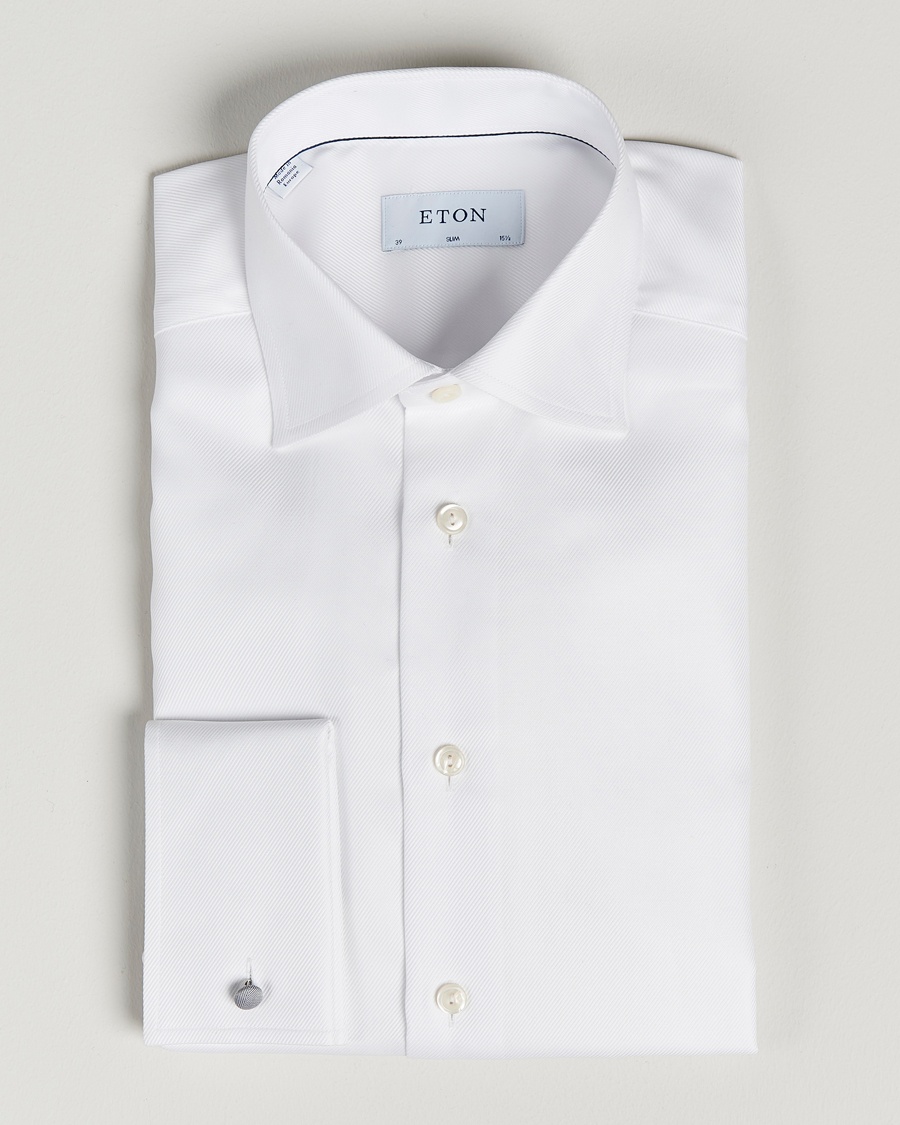
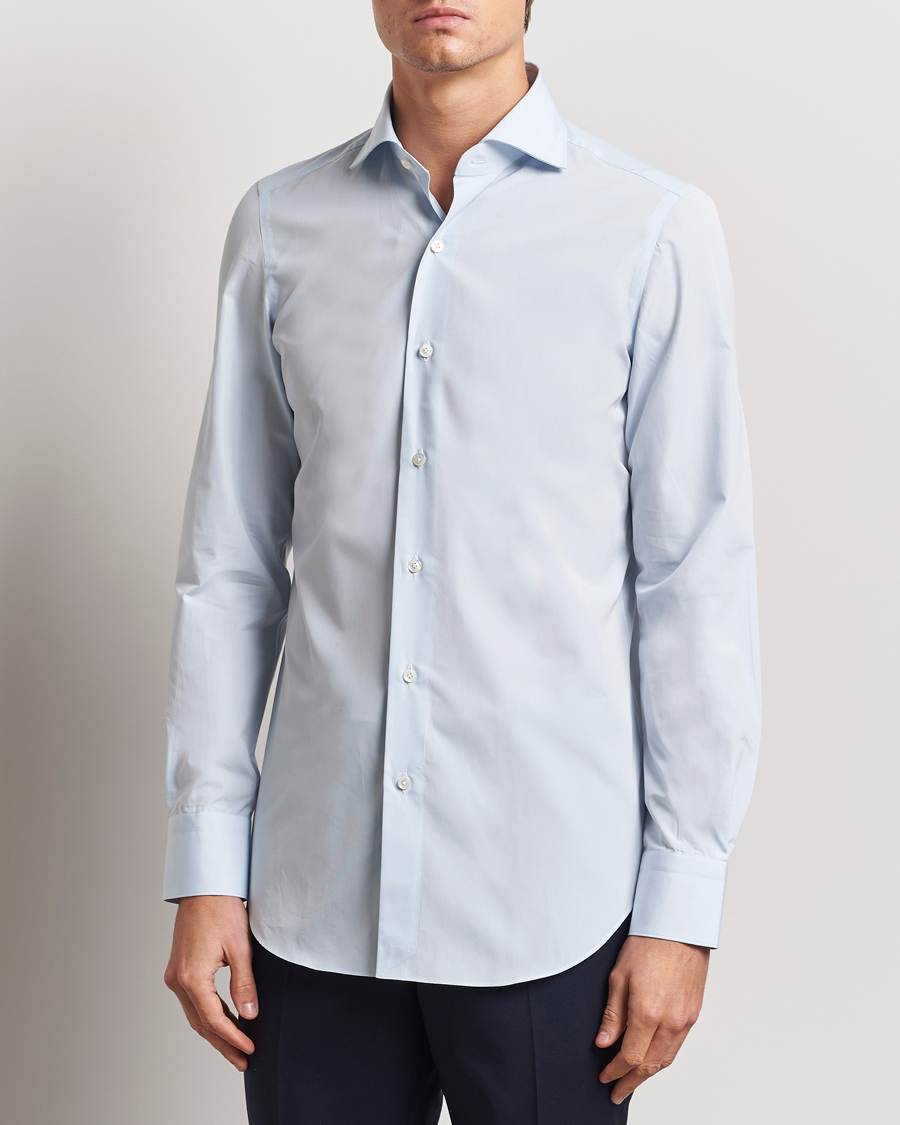
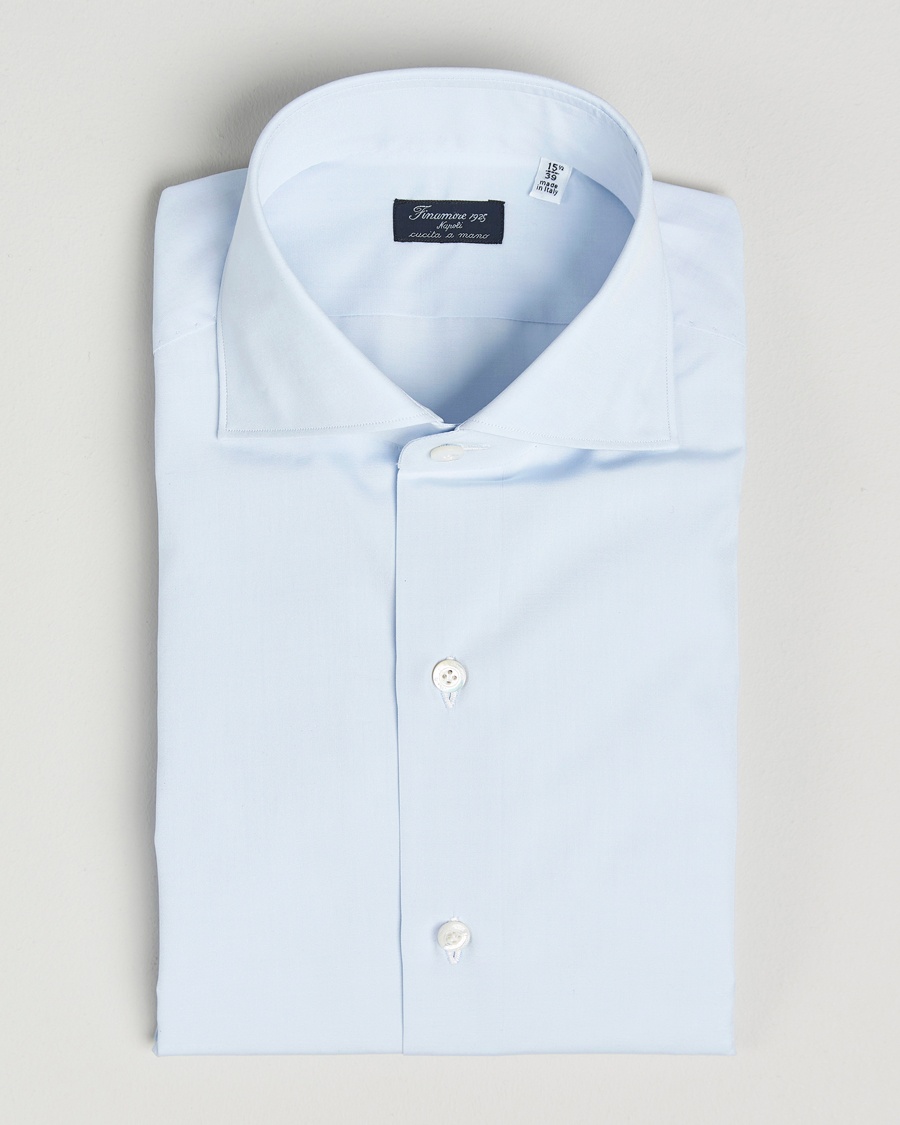
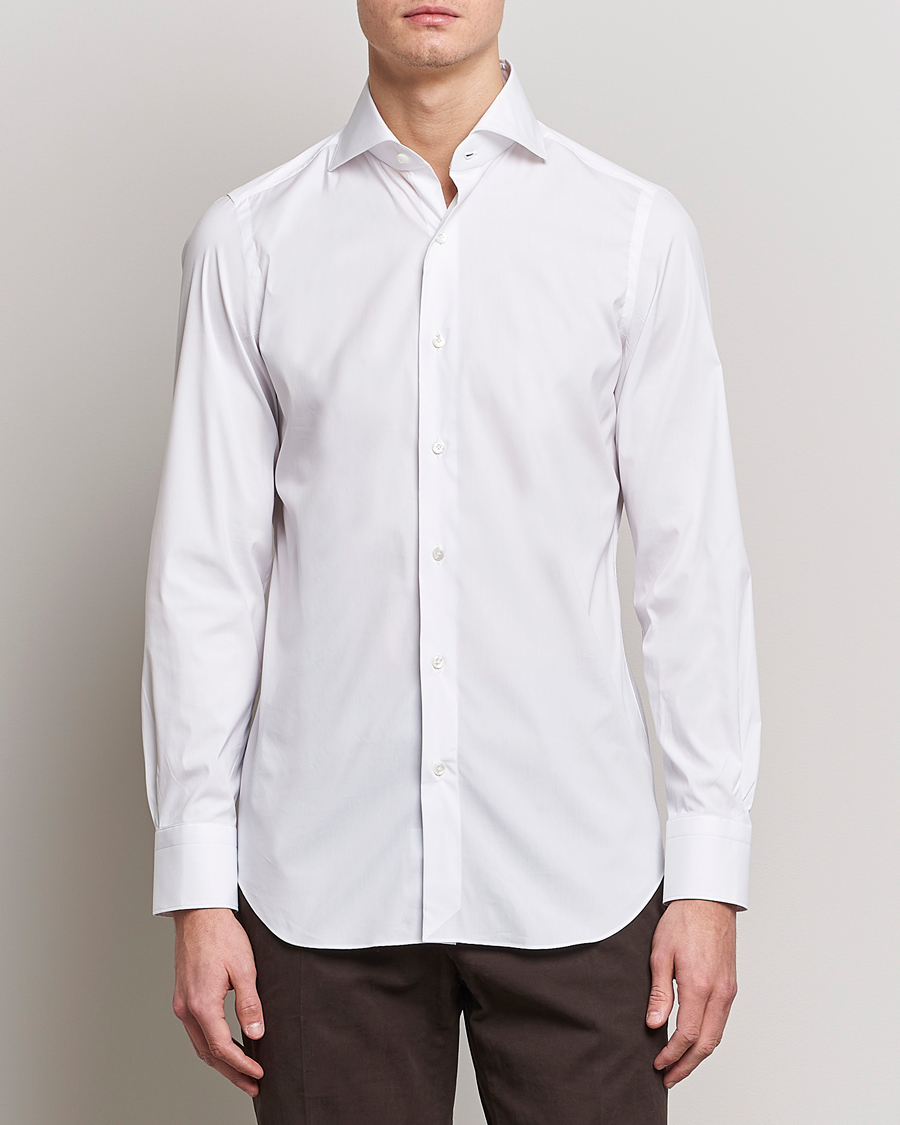
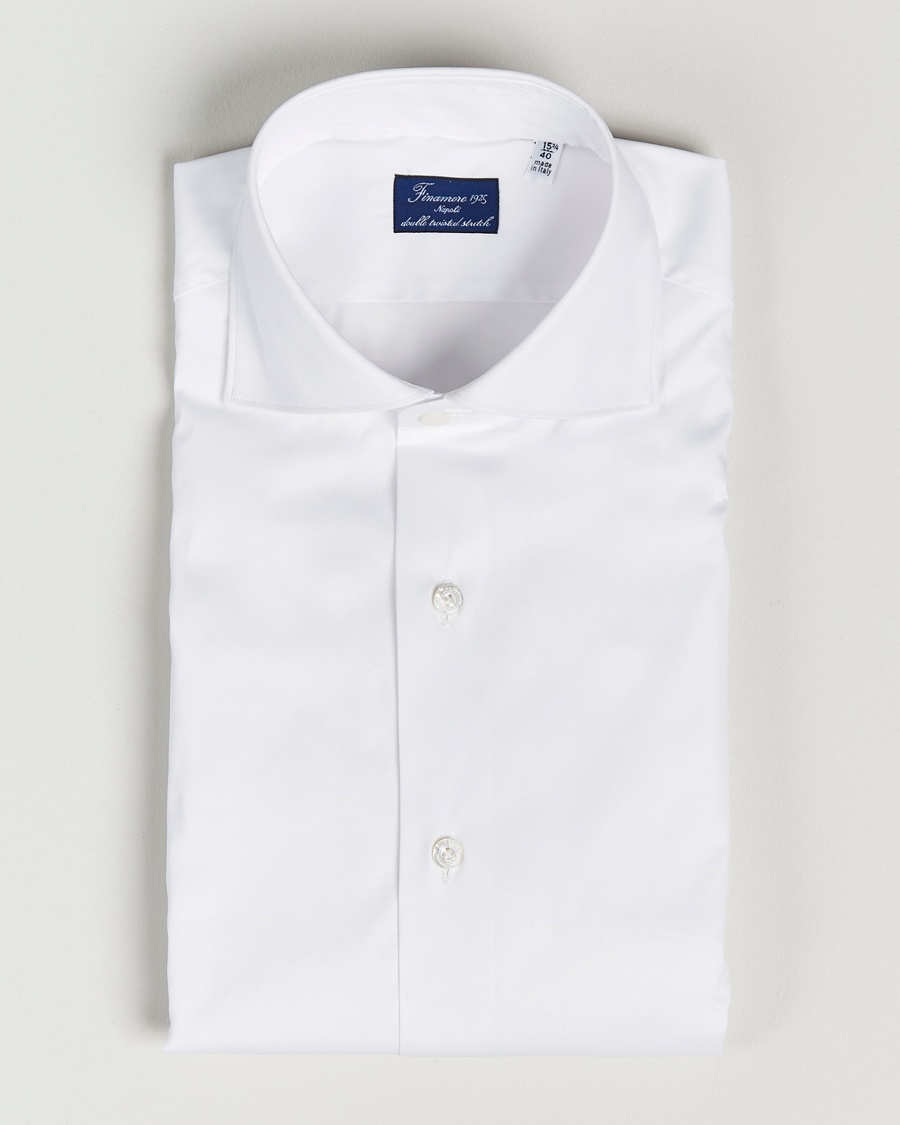
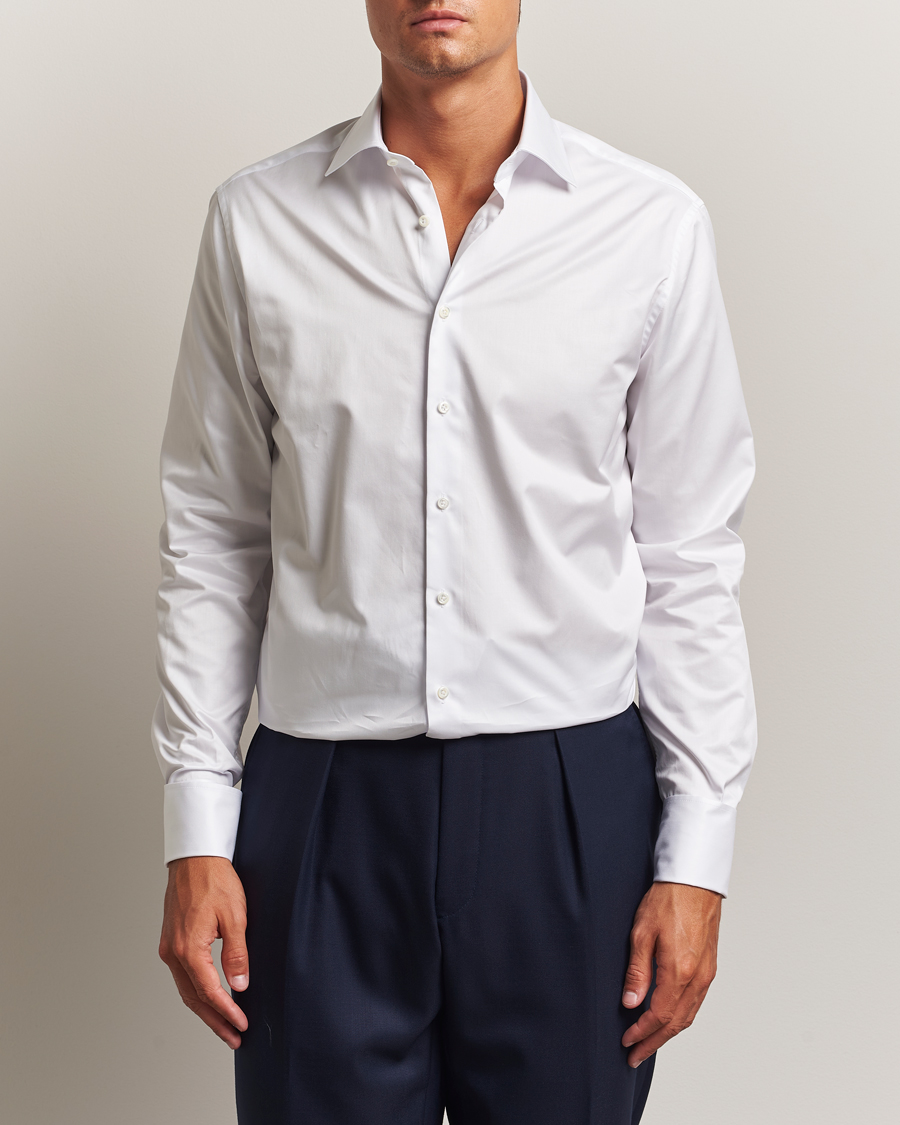
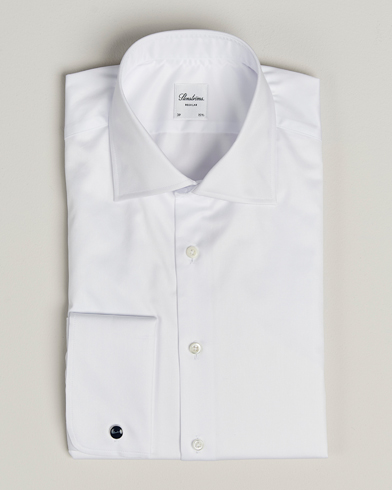
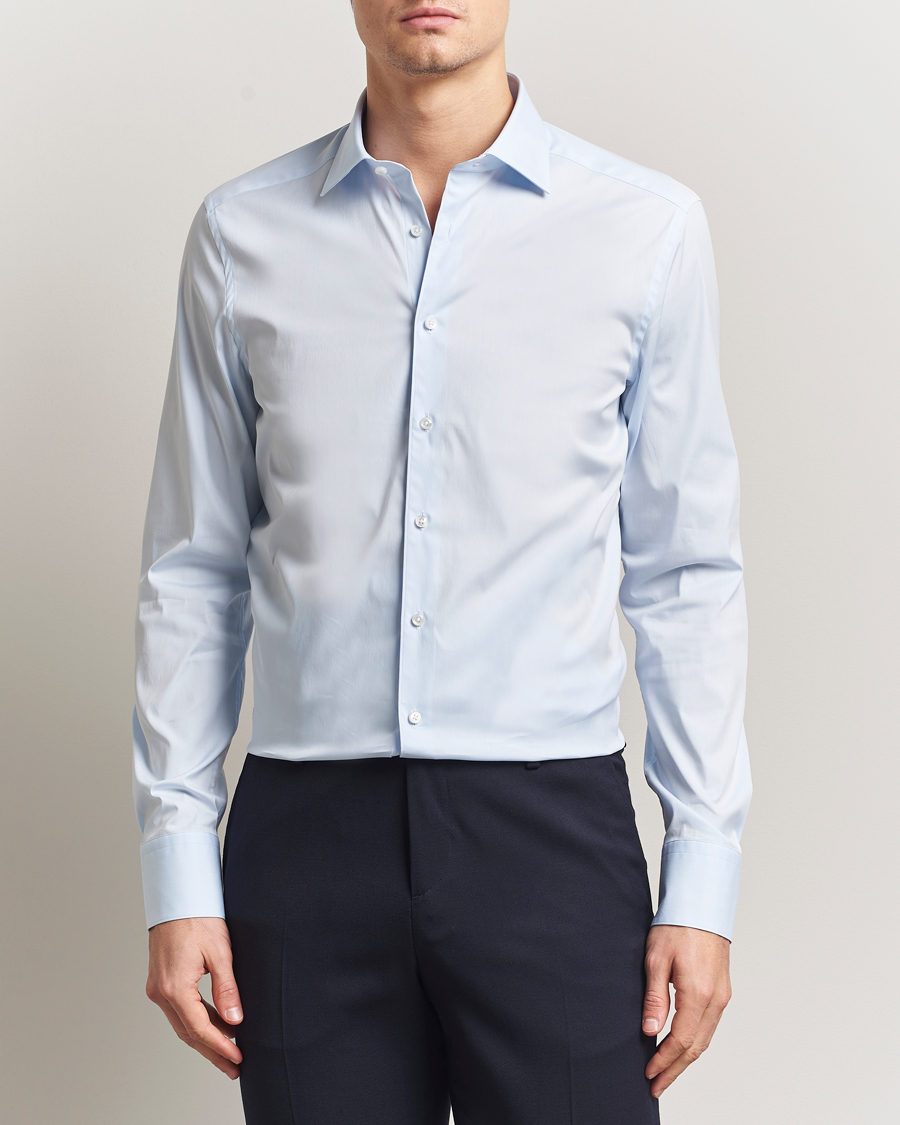
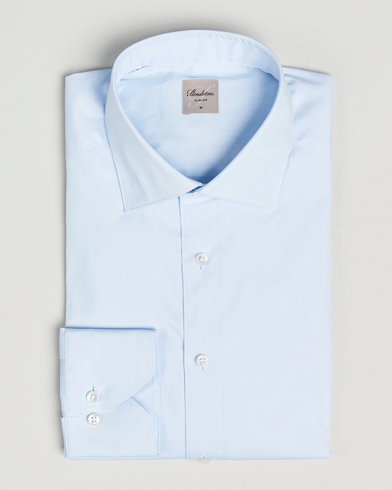
The quality of a shirt is rarely revealed from a distance. It is only when you look behind the seams – at the fabric, construction, and the small craftsmanship details – that the difference becomes apparent. From mother-of-pearl buttons to tight stitches and precise pattern matching, the details work together to create a garment that maintains its shape, comfort, and expression over time. The next time you hold a shirt in your hands, let your gaze rest on the details. That’s where you’ll find what truly distinguishes mass production from thoughtful quality.
Verwandte Lektüre
-

Alain Delon – the movie star who became a style icon for generations
-
From poolside to the silver screen - the tank top's journey to wardrobe classic
-

The Return of the Henley
-
5 Reasons to Invest in Loafers
-
10 Spring News from Polo Ralph Lauren
-

Behind the seams: 7 ways to recognize a high-quality blazer